Venezuela


Population: 29,278,000

Official Language: Spanish
Other Languages: "The most widely spoken indigenous languages are Wayuu, Warao, Piaroa, Yanomami, Kahlihna, Manduhuaca, Panare, Pemon, Guahibo, and Nhengtu. Most of these languages originated in the languages of the Caribs, the Arawaks, and the Chibcha... Languages such as Sape and Mapoyo have five or fewer speakers... Languages like Italian, Portuguese, Chinese, Arabic, and English are the most common foreign languages spoken in Venezuela. Some English words like “parking” have found their way into Venezuelan Spanish. Venezuelans often speak less formally than people in most other Spanish-speaking countries."
Area: Approximately 912,050 square kilometers (352144 square miles)
History
In ancient times, Venezuela was paradise for the Indians who lived on its beaches, in its tropical forests, and on the gentle grassland of the llanos. There were three main groups: the Carib, Arawak, and the Chibcha. They lived in small groups and all of them practiced some degree of farming; the land, however, was bountiful enough so that this was not always a necessity. They could easily hunt, fish for, and gather their food. The most advanced of the three were the Chibcha who lived on the eastern slopes of the Andes. Though they never developed large cities, their agricultural skill were formidable: they terraced parts of the Andes and built sophisticated irrigation channels to water their crops.

Christopher Columbus was the first European to visit Venezuela. He came in 1498 during his third voyage to the New World, and landed on the Peninsula de Paria. Following the coast, he explored the Rio Orinoco Delta and concluded that he had found much more than another Caribbean island. More explorers came a year later, and it was Alonso de Ojeda who gave the country its name. Arriving at Lake Maracaibo, he admired the stilted houses that the Indians had build above the lake and called the place Venezuela - "Little Venice." A year after that the Spanish established their first settlement, Nueva Cadiz, which was later destroyed by a tsunami. Early colonization in Venezuela was much less rampant than it was in other parts of South America, and the colony was ruled with a loose hand from Bogota. It was much less important to the Spanish than the mineral-producing colonies of Western South America, but Venezuela would later surprise the world when massive oil reserves would be discovered.
Venezuela may have been a quiet outpost on the edge of the Spanish Empire, but it gave birth to the man who would one day turn that empire on its head: Simon Bolivar. With the help of British mercenaries, Bolivar and his followers campaigned against the Spanish tirelessly, marching across the Andes and liberating Colombia in 1819, Venezuela in 1821, and Ecuador, Peru, and Bolivia in 1825. Much of his army was composed of native Venezuelans. Independence did not prove easy for the new nation. Civil strife, wars, and dictatorships raged in the country well into the next century. Though some dictators sought real reform, most milked their positions for personal gain. Border disputes with the British colony of Guyana erupted in the 1840s, and although they never boiled over into full-fledged warfare, Venezuela still disputes the border to this day.
In the early 1900s, the conflict-ridden nation finally began to get on its economic feet with the discovery of oil, and by the 20s Venezuela was beginning to reap the benefits. Unfortunately, most of the wealth remained with the ruling class, and the plague of dictators continued until 1947 when Romulo Betancourt led a popular revolt and rewrote the constitution. The first president-elect in Venezuela's history took office the same year, the novelist Romulo Gallegos. Unfortunately, he was ousted by another dictator and the country did not experience a non-violent presidential succession until 1963. For the next 25 years, things went comparatively well. An oil boom in the mid-1970s saw enormous wealth pour into the country, though, as always, the vast lower class benefited little. Oil prices dropped in the late 80s and once again the country was thrown into crisis. Riots swept through Caracas and were violently repressed, and two coup attempts took place in 1992. Right now, the nation's stability and future are uncertain.
 Despite a rough history, Venezuelans are infamous in South America for their easy-going nature and fun-loving spirit. Their national mythology hails back to the days when independent and rugged settlers tamed the lawlessness of the llanos, a heritage not unlike that of the American West. Most Venezuelans them come from a mix of European, Indian, and African roots, while a minority are exclusively white, black, or Indian. Roman Catholicism is the overwhelmingly dominant religion.
Christopher Columbus was the first European to visit Venezuela. He came in 1498 during his third voyage to the New World, and landed on the Peninsula de Paria. Following the coast, he explored the Rio Orinoco Delta and concluded that he had found much more than another Caribbean island. More explorers came a year later, and it was Alonso de Ojeda who gave the country its name. Arriving at Lake Maracaibo, he admired the stilted houses that the Indians had build above the lake and called the place Venezuela - "Little Venice." A year after that the Spanish established their first settlement, Nueva Cadiz, which was later destroyed by a tsunami. Early colonization in Venezuela was much less rampant than it was in other parts of South America, and the colony was ruled with a loose hand from Bogota. It was much less important to the Spanish than the mineral-producing colonies of Western South America, but Venezuela would later surprise the world when massive oil reserves would be discovered.
Venezuela may have been a quiet outpost on the edge of the Spanish Empire, but it gave birth to the man who would one day turn that empire on its head: Simon Bolivar. With the help of British
mercenaries, Bolivar and his followers campaigned against the Spanish tirelessly, marching across the Andes and liberating Colombia in 1819, Venezuela in 1821, and Ecuador, Peru, and Bolivia in 1825. Much of his army was composed of native Venezuelans. Independence did not prove easy for the new nation. Civil strife, wars, and dictatorships raged in the country well into the next century. Though some dictators sought real reform, most milked their positions for personal gain. Border disputes with the British colony of Guyana erupted in the 1840s, and although they never boiled over into full-fledged warfare, Venezuela still disputes the border to this day. In the early 1900s, the conflict-ridden nation finally began to get on its economic feet with the discovery of oil, and by the 20s Venezuela was beginning to reap the benefits. Unfortunately, most of the wealth remained with the ruling class, and the plague of dictators continued until 1947 when Romulo Betancourt led a popular revolt and rewrote the constitution. The first president-elect in Venezuela's history took office the same year, the novelist Romulo Gallegos. Unfortunately, he was ousted by another dictator and the country did not experience a non-violent presidential succession until 1963. For the next 25 years, things went comparatively well. An oil boom in the mid-1970s saw enormous wealth pour into the country, though, as always, the vast lower class benefited little. Oil prices dropped in the late 80s and once again the country was thrown into crisis. Riots swept through Caracas and were violently repressed, and two coup attempts took place in 1992. Right now, the nation's stability and future are uncertain.
Despite a rough history, Venezuelans are infamous in South America for their easy-going nature and fun-loving spirit. Their national mythology hails back to the days when independent and rugged settlers tamed the lawlessness of the llanos, a heritage not unlike that of the American West. Most Venezuelans them come from a mix of European, Indian, and African roots, while a minority are exclusively white, black, or Indian. Roman Catholicism is the overwhelmingly dominant religion.Famous People
Armando Galarraga
Born January 15, 1982. Plays for the Detroit Tigers. During the June 2 game in the year 2010 against the Cleveland Indians, Galarraga was on the verge of a “perfect game” – no hits or runs in nine innings – when a mistaken call by Joyce cost him the chance to become the first pitcher of the Detroit Tigers and the 21st player in the history of Major League Baseball to reach the milestone. After the game, Joyce apologized to Galarraga for the decision, an apology that the Venezuelan pitcher humbly accepted.

 September 25, 1799-1866. Luisa and her families held to the sepratist side during the revolutionary war. Luisa was captured by Spanish autorities in 1815 when she was 16, refused to relinquish information about her husband, and held fast to her family's dreams. During her time away, New Grenada achieved its independence on June 1, 1816. With the aid of a friend, Francisco Carabano, and the English Goverment, she was eventually freed in 1818 and made her way back to Venezuela. Venezuela gained independence on January 13, 1830. Luisa lived in Caracas until her death in 1866. Her remains have been interred in the National Pantheon in Caracas since 1876. Her portrait by Emilio Mauri is feasured on the Venezuelan 20 Bolivares Fuerte banknote issued January 1st, 2008.
 (28 February 1829 – 28 July 1899) was President of Venezuela for three separate terms, from 1870–1877, from 1879–1884, and from 1886–1887.
Guzmán was born in Caracas as the son of Antonio Leocadio Guzmán, a Venezuelan journalist, politician as well as founder of the Liberal Party and Carlota Blanco Jerez de Aristeguieta. He was banished by the administration of General Julián Castro, and accompanied General Juan Crisóstomo Falcón in his invasion of Venezuela, becoming his general secretary. After the final defeat of Falcón at Cople in September, 1860, Guzmán accompanied his chief in his flight, and was sent to the West Indies to solicit assistance. Toward the end of 1861 he landed again with Falcón on the coast of Coro, and after numerous engagements signed on 22 May 1863, the treaty of Coche, by which arms were laid down, and a general assembly called at Victoria, which elected Falcón president and Guzmán vice president. The latter was at the same time secretary of the treasury, and went to London to negotiate a loan.

Also a distinguished freemason, he sharply reduced the power of the Roman Catholic Church in Venezuela while in office.
On his return he was for a short time in charge of the executive, and afterward was elected president of congress. After the overthrow of Falcón in 1868, Guzmán left the country, but headed a revolution in 1869, and in 1870 became provisional president with extraordinary powers, ruling the country for seven years as a dictator. His successor, General Francisco Linares Alcántara, died in office in December, 1878, and there were several revolutionary uprisings, till Guzmán assumed the government again. In the elections of 1883 General Joaquín Crespo, one of his friends, was declared president, and Guzmán became ambassador to France, living with great ostentation in Paris. In 1886 he again assumed the presidency; his successor, the undistinguished Hermógenes López, was also understood to be under his influence.
Current President
Nicolas Maduro
November 23, 1962. Necolas assumed presidency on March 8, 2013, three days after the death of President Hugo Chavez from cancer. Maduro is the ruling Socialist Party's candidate in the April 14 presidential election. 
 Maduro served six years as foreign minister before being named vice president last October and then Chavez's handpicked successor two months later. As Chavez's illness worsened, the burly, mustachioed Maduro became the South American nation's de facto leader.
Economy
Exchange Rate
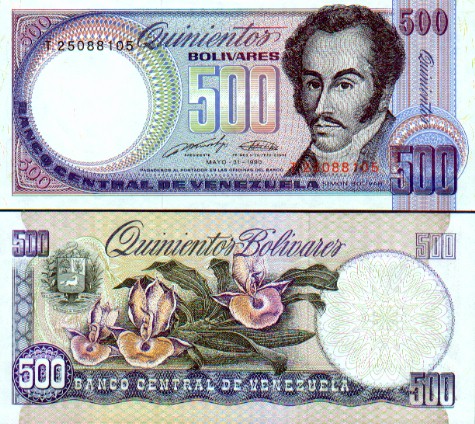
1 Venezuelan Bolívar equals 0.16 US Dollar
Imports and Exports
Exports:
- US: 39.8%
- The Netherlands: 7.6%
- China: 4.6%
 |
Bauxite is used during aluminum production,
as an abrasive, and a proppant
|
Major export commodities in Venezuela, besides petroleum and gas are:
- Aluminum and bauxite
- Steel
- Chemicals
- Agricultural products
Imports:
- US: 26.1%
- Colombia: 12.6%
- Brazil: 10.7%
- China: 6.9%
- Mexico: 4.8%
 |
Venezuela has built 265,000 homes since undertaking the
Great Venezuelan Housing Mission last year. |
Major import commodities in Venezuela are machinery and equipment, construction materials and other raw materials, to support its domestic industries and increase exports.
Fun Places
Tourist Attractions
Angel Falls
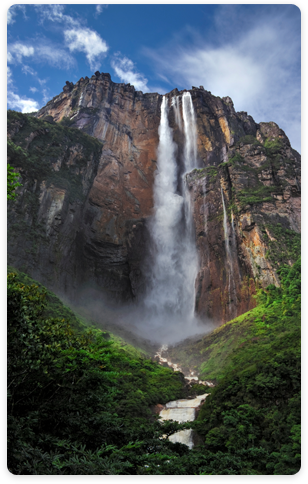
The Angel Falls tourist attraction is located in the Canaima National Park, a remote area in Bolivar State about 1,862 miles (2,996 kilometers) from Caracas. Angel falls was given its name when James Angel with his guests tried to land a jet plane near it. The plane was damaged and its wheels sank into the mushy ground. Jimmy Angel and his party fortunately managed to descend Tepuy and get back to civilization by walking in the jungle for about 11 days. While traveling through the area, tourists will also find an variety of tropical fauna and flora within the area including poison arrow frogs, monkeys and rare orchid species. Tourists can also expect to find pumas, jaguars, porcupines, armadillos, giant anteaters, otters, three toed sloths, capybaras and tapirs.
La Isla Margarita
Another popular tourist attraction in Venezuela is La Isla Margarita, situated just north of the Venezuelan coastline. La Isla Margarita is a popular destination for tourists and locals alike. Its crisp azure waters remind people of the exotic Bahamas and its breathtaking panoramic view of the coastline will definitely keep you coming back for more. Also known as the ‘Pearl of the Carribean’, La Isla Margarita Island is richly exotic and has many inviting beaches where tourists can relax, get a tan, or enjoy the scenery while on vacation.
There are over 300,000 people on Margarita Island, most of who live on the eastern side where the capital metro of Asuncion is located as well as the shoppers’ paradise of Polamar. There are plenty of white sandy beaches around the island where you can relax after a delicious Venezuelan lunch and get that luxurious tan you have always wanted. Windsurfing is a popular activity and as well as snorkeling, bonefishing, and diving.
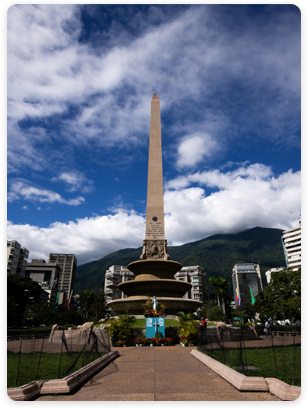
Pico Bolivar
Also known as the Mirror Peak, Pico Bolivar is one of the most serene places in the world where you can find a peaceful setting surrounded by nature’s beauty. Rising 4,765 meters (15,633 feet) above sea level, Pico Bolivar is located in the high Andes of Merida, at the northeastern part of the Greater Andes.
Parque Nacional Mochima, El Morro
Located in the States of Sucre and Anzoategui, Venezuela’s Parque Nacional Mochima (Mochima National Park) tourist attraction covers a total of 94,900 hectares of coastal and marine habitat. The national park is composed of a marine area in the west side and a coastal marine area in the Mochima Bay.

No comments:
Post a Comment